
Call us now :08045815539
 Send Inquiry
 Send Inquiry
Light Dispersion caps
MOQ : 1000 Pieces
Light Dispersion caps Specification
- Tensile Strength
- High (for lens-grade polycarbonate or PMMA)
- Weight
- 10-35 grams (depending on size)
- Thickness
- 1-3 mm
- Components
- Main cap body
- Diameter
- 40 mm, 55 mm, 80 mm (other diameters on request)
- Size
- Customizable sizes available
- Color
- Frosted White/Translucent
- Style
- Translucent dome/lens cap
- Water Absorption
- <0.3% (24h, 23C)
- Flame Resistance Level
- UL94 V-2 (Polycarbonate material)
- Width
- Approx. 2-6 cm (varies by model)
- Thermal Conductivity
- Low
- Hardness
- Shore D 80-85
- Surface Finish
- Matte/Frosted
- Tolerance
- 0.1 mm
- Temperature Resistance
- -20C to +100C
- Product Type
- Light Dispersion Cap
- Natural Rubber
- No
- Part Type
- Optical Cap
- Usage & Applications
- Light fixtures, LED modules, illumination systems, optical accessories
- Feature
- Uniform light distribution, UV resistant, high transmittance, glare reduction
- Resistance level
- UV & Impact Resistant
- Material
- Polycarbonate (PC) or PMMA
- Density
- 1.2 Gram per cubic centimeter(g/cm3)
- Length
- N/A (Cap design, not elongated)
- Light Transmission Rate
- 85% - 92% (depending on type)
- Installation Method
- Snap-on / Press-fit
- Processing Method
- Injection molding
- Aging Resistance
- High (No yellowing)
- Chemical Resistance
- Good resistance to common acids and alkalis
- Environmental Compliance
- RoHS compliant
Light Dispersion caps Trade Information
- Minimum Order Quantity
- 1000 Pieces
- Main Domestic Market
- South India, Karnataka
About Light Dispersion caps
Light dispersion caps, also known as diffuser caps or light scattering caps, are used to diffuse or scatter light from a light source, such as an LED or bulb, to create a softer and more even illumination. They are typically made from a translucent material that allows light to pass through but scatters or diffuses the light rays.Light dispersion caps are commonly used in a variety of lighting applications, including interior and exterior lighting for homes, offices, and industrial buildings, as well as automotive and marine lighting. They can also be used in display cases and signage to create a more uniform and visually appealing light output.
Some common examples of light dispersion caps include:
- Frosted glass or plastic covers for light fixtures that create a soft and diffuse light.
- Light diffuser lenses or covers for LED lights that scatter light and prevent glare.
- Light scattering caps for outdoor and architectural lighting that create a more even and uniform light output.
- Light diffusing films or coatings that can be applied to windows or other surfaces to create a more natural and soft light.
- Overall, light dispersion caps play a crucial role in many lighting applications, providing a more uniform and visually appealing light output.
Light dispersion caps are specialised parts that govern the dispersion and direction of light in lighting systems. Depending on the use, they can be any size and form and are commonly made of glass or plastic. Light dispersion caps work by adjusting the direction and amount of light that comes from a light source. They are frequently employed in situations where uniform light dispersion is sought, including in lighting fixtures for homes and businesses. To reduce glare and regulate light pollution, these caps are also employed in outdoor lighting applications.
Superior Light Diffusion and Transmittance
These Light Dispersion Caps offer exceptional translucency, efficiently diffusing light to minimize glare and maintain high illumination quality. Their advanced polymer construction ensures consistent light output while supporting energy-efficient designs in commercial, residential, and industrial lighting applications.
Robust Material and Environmental Compliance
Engineered from durable polycarbonate or PMMA, the caps exhibit high tensile strength and are resistant to common acids, alkalis, and ultraviolet exposure. Certified RoHS compliant and flame resistant to UL94 V-2, they align with contemporary environmental and safety standards for global markets.
Versatile, Customizable Fit and Simple Installation
With customizable sizes and snap-on or press-fit configurations, these caps integrate seamlessly into a diverse range of light fixtures and optical systems. The combination of precise tolerances and frosted finishes ensures easy installation and optimal performance for both new and retrofit projects.
FAQs of Light Dispersion caps:
Q: How are these Light Dispersion Caps installed?
A: The caps are designed for quick and easy attachment using either snap-on or press-fit installation methods, allowing secure placement without the need for additional tools or adhesives.Q: What are the main benefits of using these optical caps in lighting applications?
A: These caps provide uniform light diffusion, reduce glare, and maintain high transmittance (8592%), resulting in visually comfortable and efficient illumination for LED modules and fixtures. They are also UV resistant, impact resistant, and exhibit high aging resistance without yellowing.Q: When should I select custom sizes or diameters for these lens caps?
A: Custom sizes or diameters can be requested when your lighting application requires a specific fit or when integrating with unique optical designs. Standard diameters such as 40 mm, 55 mm, and 80 mm are available, ensuring compatibility with most fixtures.Q: Where can these Light Dispersion Caps be used?
A: They are suitable for use in commercial, industrial, and residential lighting systems, including LED modules, general light fixtures, and specialized illumination devices where optical quality and robustness are required.Q: What is the manufacturing process for these lens caps?
A: The caps are produced via advanced injection molding, achieving precise dimensions (tolerances of 0.1 mm) and consistent surface finishes. This process ensures excellent mechanical and optical properties in each cap.Q: What level of environmental and chemical resistance do these caps offer?
A: Constructed from polycarbonate or PMMA, the caps display good resistance to common acids and alkalis, are RoHS compliant, and withstand UV exposure and impact, making them durable in challenging environments.Q: What advantages do these caps provide over standard diffusers or covers?
A: Compared to standard diffusers, these caps offer enhanced light transmission, more effective glare reduction, high aging resistance, and robust physical properties like high tensile strength and Shore D hardness of 8085.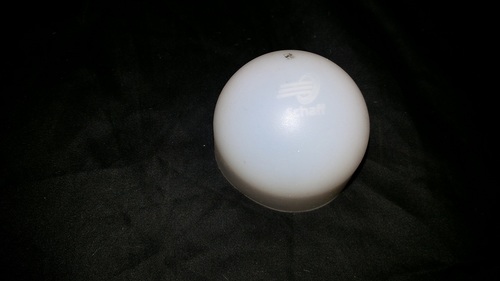
Tell us about your requirement

Price:
Quantity
Select Unit
- 50
- 100
- 200
- 250
- 500
- 1000+
Additional detail
Mobile number
Email

More Products in Silicon Rubber Moulded Items Category
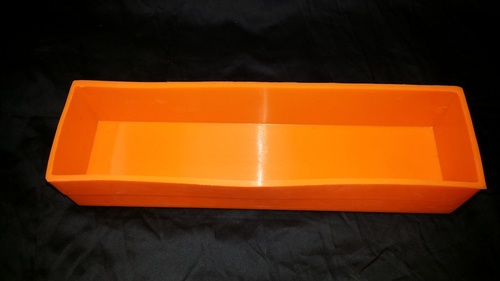
Rubber Moulds for Soap
Minimum Order Quantity : 500 Pieces
Hardness : 5065 Shore A
Style : Standard, Decorative, Custom branding
Compression Ratio : Up to 1.6:1
Temperature Resistance : 20C to 80C
Usage & Applications : Soap Casting, Industrial Soap Moulding, Personal Care Product Manufacturing
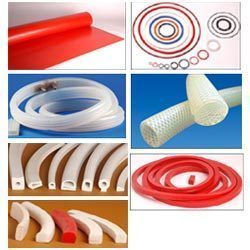
Silicone Rubber Products
Minimum Order Quantity : 500 Meters
Hardness : As per Requirement
Style : As per Requirement

 Send Inquiry
Our Products


Plot No.6-B, Sompura 1st Stage, IDA, Pemmanahalli(V), Sompura Hobli, Nelamangala (T),Bengaluru - 562111, Karnataka, India

Mr. Mangesh Dhavan
(Proprietor)
Mobile :08045815539
 Send Inquiry
 Send SMS
Developed and Managed by Infocom Network Private Limited.


