
Call us now :08045815539
 Send Inquiry
 Send Inquiry
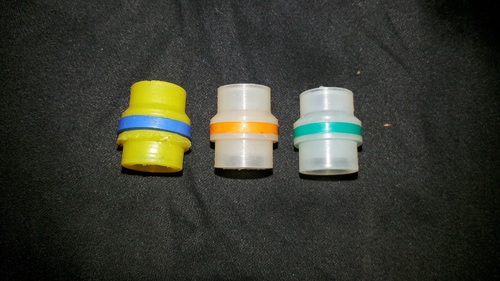
Medical Rubber Components
MOQ : 1000 Pieces
Medical Rubber Components Specification
- Usage & Applications
- Used in medical devices and pharmaceutical packaging, such as syringes, infusion sets, IV sets, blood collection tubes, and diagnostic kits.
- Resistance level
- High resistance to chemicals and temperature fluctuations
- Length
- Custom length options
- Tolerance
- 0.1 mm
- Water Absorption
- Low water absorption
- Feature
- Non-toxic, sterilizable, biocompatible, leak-proof
- Compression Ratio
- Optimized for sealing and fit applications
- Flame Resistance Level
- Optional flame retardant variants available
- Thermal Conductivity
- Low
- Ash %
- 0.5%
- Width
- Customizable as per requirement
- Size
- Available in standard and customized sizes
- Color
- Black, White, or as per customer requirements
- Product Type
- Medical Rubber Components
- Tensile Strength
- >= 8 MPa
- Natural Rubber
- Available (also in Synthetic rubber compounds)
- Hardness
- 30 to 90 Shore A
- Components
- Rubber stoppers, plungers, O-rings, seals, diaphragms, washers
- Weight
- Varies according to component
- Surface Finish
- Smooth, micro-finished, free of debris
- Style
- Precision-moulded
- Temperature Resistance
- -40C to +180C
- Thickness
- Ranges from 2 mm to 10 mm
- Rubber Type
- Natural Rubber, Butyl Rubber, EPDM, Silicone Rubber
- Material
- Medical Grade Rubber (Natural, Butyl, EPDM, Silicone, etc.)
- Diameter
- Available in multiple diameters
- Part Type
- Seals, Stoppers, Plungers, Gaskets, Diaphragms, Washers
- Density
- 1.3 Gram per cubic centimeter(g/cm3)
- Nitrogen Content (%)
- 0.1%
- Volatile Matter (%)
- 0.5%
- Regulatory Compliance
- Meets ISO 13485, USP Class VI, and FDA standards
- UV Resistance
- Good resistance to UV radiation
- Shelf Life
- Up to 5 years when properly stored
- Packaging
- Packed in sterile, medical-grade polybags
- Electrical Properties
- Insulating
- Permeability
- Low permeability to gases and fluids
- Adhesion Properties
- Excellent bonding with glass and plastic surfaces
- Sterilization Capability
- Suitable for autoclave, gamma irradiation, and EtO sterilization
- Customization
- Design and formulation tailored to customer specifications
- Microbial Resistance
- High resistance against bacterial and fungal growth
- Toxicity Level
- Non-toxic and safe for medical use
- Transparency
- Opaque (transparent options available for silicone)
- Elasticity
- Excellent elongation and recovery
- Odor
- Odorless
Medical Rubber Components Trade Information
- Minimum Order Quantity
- 1000 Pieces
- Main Domestic Market
- South India, Karnataka
About Medical Rubber Components
Medical rubber components refer to medical devices and components that are made from rubber, a versatile and durable material that is used in a wide range of medical applications due to its biocompatibility, flexibility, and resistance to chemicals and heat.Rubber components can be used in a variety of medical devices, such as seals, gaskets, tubing, gloves, and other medical equipment. They are often chosen for their ability to provide a flexible, airtight, and watertight seal that can withstand repeated use and sterilization.
Some common examples of medical rubber components include:
- Rubber gloves, which are used to protect healthcare workers and patients during medical procedures.
- Rubber tubing, which is used to deliver fluids, such as blood or medication, to patients.
- Rubber seals and gaskets, which are used to create airtight and watertight seals in medical equipment, such as pumps and ventilators.
- Rubber stoppers and plugs, which are used to seal test tubes and other containers used in medical laboratories.
- Overall, medical rubber components play a crucial role in a wide range of medical applications, providing a reliable and durable solution for many essential medical devices and equipment.
Advanced Sterilization Compatibility
Our medical rubber components are designed to withstand autoclave, gamma irradiation, and EtO sterilization processes. This versatility ensures they remain intact and functional across various medical sterilization protocols, promoting a high degree of safety and reliability in medical settings.
Regulatory Compliance and Safety
Manufactured in accordance with ISO 13485, USP Class VI, and FDA standards, our components are non-toxic, biocompatible, and rigorously tested for safety. With up to 5 years of shelf life when properly stored, these products offer peace of mind for healthcare providers and device manufacturers.
Tailored to Your Needs
Components can be customized in size, formulation, color, and style to meet specific customer specifications. With optimized compression ratios and precision moulding, they deliver exceptional fit and performance in medical and pharmaceutical applications.
FAQs of Medical Rubber Components:
Q: How are the medical rubber components sterilized for safe use in medical applications?
A: These components are compatible with multiple sterilization methods, including autoclave, gamma irradiation, and ethylene oxide (EtO) processes. This ensures that the products meet the necessary sterility requirements for various medical and pharmaceutical settings.Q: What regulatory standards do these rubber components comply with?
A: All medical rubber components meet ISO 13485, USP Class VI, and FDA standards, confirming their safety and quality in critical healthcare environments. Each batch undergoes rigorous testing for compliance and patient safety.Q: When should I consider customizing the design or formulation of rubber components?
A: Customization is ideal when your application requires specific dimensions, colors, material types, or adhesive properties. Our team can tailor the design and formulation to meet precise customer and device requirements.Q: Where are these components typically used in the medical industry?
A: They are widely applied in medical devices and pharmaceutical packaging, such as syringes, infusion sets, IV sets, blood collection tubes, diagnostic kits, and more. Their versatility supports a broad range of healthcare applications.Q: What benefits do these rubber components offer for pharmaceutical packaging?
A: The components high microbial resistance, excellent elasticity, non-toxicity, and secure sealing properties ensure reliable protection and containment of sensitive medical and pharmaceutical products, minimizing contamination risks during storage and use.Q: How does the packaging process help maintain the sterility of these components?
A: Each component is packed in sterile, medical-grade polybags, which help maintain sterility and reduce the risk of contamination during shipping and storage, ensuring readiness for immediate use in medical environments.Q: What processing steps are taken to ensure the durability and safety of the rubber components?
A: Manufacturing includes precise moulding, surface micro-finishing, debris-free handling, and optimized formulation. Thorough quality controls check for physical properties like tensile strength, hardness, and chemical resistance, guaranteeing high performance and patient safety.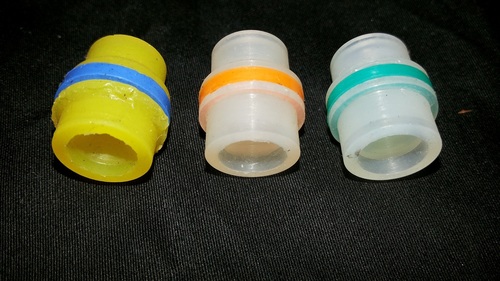
Tell us about your requirement

Price:
Quantity
Select Unit
- 50
- 100
- 200
- 250
- 500
- 1000+
Additional detail
Mobile number
Email

More Products in Rubber Components Category
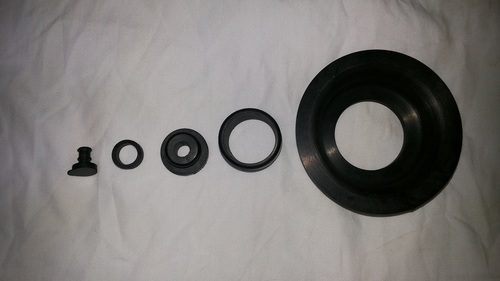
Rubber Gromet
Minimum Order Quantity : 1000 nos
Length : Standard and custom lengths available
Hardness : 605 Shore A
Components : Single rubber compound
Weight : Varies with size and design
Surface Finish : Smooth / Matte
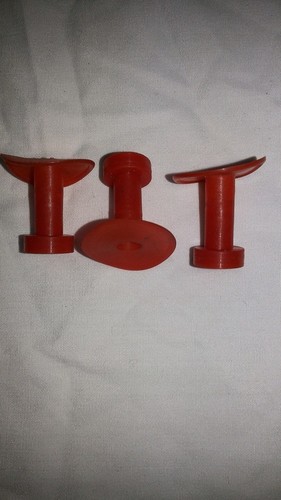
Rubber sealers01
Length : 1 m (standard), Custom lengths possible
Hardness : 70 5 Shore A
Components : Continuous extruded rubber
Weight : Approx. 100 g/m
Surface Finish : Smooth
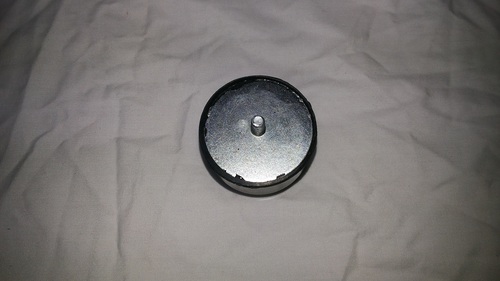
Rubber Metal Mould
Minimum Order Quantity : 1000 Pieces
Length : Custom as per mould cavity
Hardness : Shore A 6075
Components : Mould base, cavities, metal insert holders, guide pins
Weight : Varies by model, typically 1560 kg
Surface Finish : Machined, shot blasted or polished
Silicon Medical Components
Minimum Order Quantity : 1000 Pairs
Length : Custom lengths
Hardness : 2080 Shore A
Components : As per drawing or sample
Weight : Lightweight
Surface Finish : Smooth/Glossy

 Send Inquiry
Our Products


Plot No.6-B, Sompura 1st Stage, IDA, Pemmanahalli(V), Sompura Hobli, Nelamangala (T),Bengaluru - 562111, Karnataka, India

Mr. Mangesh Dhavan
(Proprietor)
Mobile :08045815539
 Send Inquiry
 Send SMS
Developed and Managed by Infocom Network Private Limited.


