
Call us now :08045815539
 Send Inquiry
 Send Inquiry
Rubber pads
MOQ : 500 Pieces
Rubber pads Specification
- Feature
- Anti-slip, High Durability, Non-compressible
- Nitrogen Content (%)
- 0.1%
- Volatile Matter (%)
- 2%
- Material
- Natural Rubber / Blended Rubber
- Temperature Resistance
- -30C to 80C
- Part Type
- Pad
- Weight
- Depends on size and thickness
- Style
- Plain/Solid
- Water Absorption
- <1% (low)
- Tolerance
- 2 mm
- Color
- Black
- Length
- Custom Length
- Thermal Conductivity
- 0.13-0.2 W/mK
- Hardness
- 60-80 Shore A
- Components
- Solid rubber compound
- Size
- Custom sizes available (standard: 100 mm x 100 mm)
- Thickness
- 550 mm
- Rubber Type
- Natural/Blended
- Product Type
- Rubber Pad
- Compression Ratio
- Low compression set
- Resistance level
- High resistance to abrasion and impact
- Flame Resistance Level
- Basic/non-fire retardant (unless specified)
- Width
- Varies (Typically 50 mm - 300 mm)
- Diameter
- Custom diameters available (if round)
- Tensile Strength
- 1218 MPa
- Surface Finish
- Textured/Plain
- Density
- 1.3 Gram per cubic centimeter(g/cm3)
- Natural Rubber
- Yes
- Usage & Applications
- Shock absorption, vibration isolation, flooring, machinery support, anti-slip protection
- Ash %
- 1%
- UV Resistance
- Moderate (with additives if needed)
- Electrical Insulation
- Provides moderate insulation
- HS Code
- 4016.99
- Oil & Chemical Resistance
- Limited (suitable for general industrial conditions)
- Recyclability
- Recyclable material
- Packaging Type
- Bundled/boxed or as per order
- Manufacturing Process
- Compression molded or extruded
Rubber pads Trade Information
- Minimum Order Quantity
- 500 Pieces
- Main Domestic Market
- South India, Karnataka
About Rubber pads
Rubber pads are a type of rubber product that is used to provide a non-slip, non-skid surface and to absorb shock and vibrations in various applications. They are typically made from synthetic rubber or natural rubber, and are available in a wide range of sizes and shapes to suit different requirements.
Rubber pads are commonly used in industrial, commercial, and residential applications, including as:
- Anti-vibration pads for machinery and equipment to reduce noise and vibration.
- Non-slip pads for furniture and appliances to prevent slipping and sliding.
- Cushioning pads for doors, cabinets, and drawers to reduce noise and prevent damage from slamming.
- Protective pads for floors, walls, and other surfaces to prevent scratches and damage from heavy objects.
- Rubber pads can be made from different types of rubber, including neoprene, EPDM, and silicone, depending on the specific application and requirements. Some common features and benefits of rubber pads include
- High durability and resistance to wear and tear.
- Good resistance to oils, chemicals, and weathering
- Non-marking and non-staining properties.
- Excellent shock absorption and noise reduction properties.
- Overall, rubber pads are a versatile and effective solution for a wide range of applications, providing a reliable and long-lasting solution for many essential products and equipment.
Versatile Usage & Customization
These rubber pads are designed for diverse industrial applications including machinery support, vibration isolation, shock absorption, anti-slip flooring, and more. They are available in a variety of widths (typically 50 mm300 mm), standard sizes (e.g., 100 mm x 100 mm), and can be customized for diameter, thickness, and length based on specific project requirements.
Durable Performance Under Industrial Environments
Engineered for high abrasion and impact resistance, these pads offer longevity and reliability in demanding settings. While oil and chemical resistance is limited, their performance in general-purpose industrial conditions is robust. The low compression set enhances cushioning without compromising on structural integrity.
Quality Assured Manufacturing
Manufactured using compression molding or extrusion, each rubber pad maintains consistent quality, precise tolerances (2 mm), and a solid compound construction. With low ash, nitrogen, and volatile matter content, they ensure stability and low water absorption (<1%). All pads comply with the HS Code 4016.99 for ease of export.
FAQs of Rubber pads:
Q: How can these rubber pads be used in industrial environments?
A: These rubber pads are ideal for shock absorption, vibration isolation, anti-slip protection, and supporting heavy machinery. Their durability and anti-slip properties make them suitable for factory floors, assembly lines, and equipment bases.Q: What is the manufacturing process for these rubber pads?
A: They are produced using either compression molding or extrusion, ensuring a solid, reliable compound with excellent mechanical properties and customizable sizes and finishes.Q: When should I choose these pads over others with higher oil or chemical resistance?
A: These pads are best for environments where general industrial conditions apply, and exposure to oils or chemicals is minimal. For more demanding chemical environments, consider pads specifically rated for higher chemical resistance.Q: Where are these rubber pads commonly installed?
A: They are fitted in industrial areas such as machinery rooms, warehouses, heavy equipment bases, and production lines to minimize vibration, reduce slip risks, and protect both flooring and machinery.Q: What makes these rubber pads beneficial for machinery support?
A: With high impact and abrasion resistance, low water absorption, and moderate electrical insulation, these pads provide stable, non-compressible support, helping extend equipment life and enhance safety.Q: Are custom sizes and thicknesses available for specific projects?
A: Yes, we offer extensive customization in size, thickness, diameter, and length to match your unique project needs. Standard options start at 100 mm x 100 mm, with widths typically from 50 mm300 mm.Q: Can these pads be recycled after use?
A: Absolutely. Made from recyclable natural or blended rubber, these pads can be collected and reprocessed, supporting eco-friendly disposal and contributing to sustainability initiatives.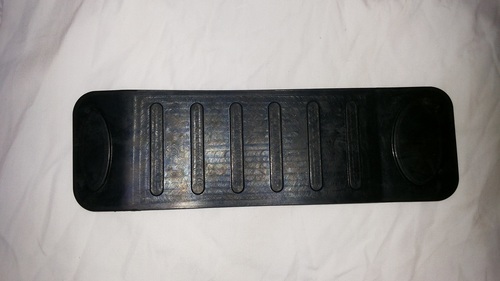
Tell us about your requirement

Price:
Quantity
Select Unit
- 50
- 100
- 200
- 250
- 500
- 1000+
Additional detail
Mobile number
Email

More Products in Anti Vibration Pads Category
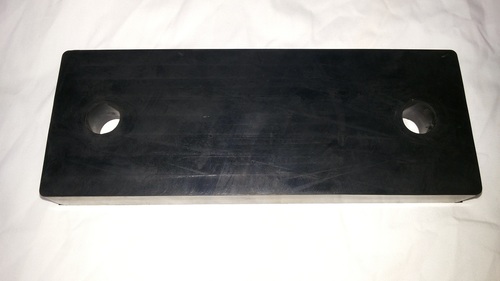
Rubber Vibrating pad
Minimum Order Quantity : 500 Pieces
Style : Flat Plate
Color : Black
Usage & Applications : Vibration isolation
Feature : Vibration dampening
Material : Rubber
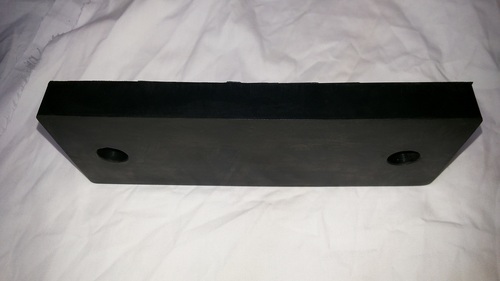
Rubber Anti Vibrating Pads
Minimum Order Quantity : 500 Pieces
Color : Black
Usage & Applications : Used for vibration damping in industrial machinery
Feature : Antivibration
Material : Rubber
Polyurethane Pads
Minimum Order Quantity : 500 Pieces
Style : As per Requirement
Color : As per Requirement

 Send Inquiry
Our Products


Plot No.6-B, Sompura 1st Stage, IDA, Pemmanahalli(V), Sompura Hobli, Nelamangala (T),Bengaluru - 562111, Karnataka, India

Mr. Mangesh Dhavan
(Proprietor)
Mobile :08045815539
 Send Inquiry
 Send SMS
 Call Me Free
Developed and Managed by Infocom Network Private Limited.


