
Call us now :08045815539
 Send Inquiry
 Send Inquiry
Rubber seals
MOQ : 500 Meters
Rubber seals Specification
- Volatile Matter (%)
- 3%
- Width
- 10-50 mm (customizable)
- Product Type
- Rubber Seal
- Weight
- Variable (depends on size and type)
- Water Absorption
- <1%
- Ash %
- 2%
- Compression Ratio
- 20-40%
- Thickness
- 3-12 mm (customizable)
- Length
- Customized lengths
- Material
- EPDM, NBR, Neoprene, Silicon, or customized rubber blend
- Thermal Conductivity
- Low
- Style
- Extruded or molded
- Hardness
- 655 Shore A
- Color
- Black
- Diameter
- Up to 75 mm
- Usage & Applications
- Sealing gaps in machinery, automotive components, hydraulic and pneumatic systems, plumbing, and industrial equipment
- Flame Resistance Level
- Standard/Optional (meets industry norms)
- Size
- Custom sizes available
- Part Type
- Seal/Gasket
- Rubber Type
- Synthetic or Natural
- Tolerance
- 0.2 mm
- Components
- Single piece or composite
- Tensile Strength
- 8-15 MPa
- Surface Finish
- Smooth/Plain
- Temperature Resistance
- -40C to 120C
- Density
- 1.4 Gram per cubic centimeter(g/cm3)
- Nitrogen Content (%)
- 0.3%
- Natural Rubber
- Optional as per requirement
- Resistance level
- Excellent to oil, chemicals, and abrasion
- Feature
- High elasticity, durable, oil-resistant, weather-proof
- Ozone Resistance
- Excellent (suitable for outdoor use)
- Elongation at Break
- 250% minimum
- Manufacturing Technique
- Hot or cold extrusion, compression molding
- Aging Resistance
- Superior resistance to UV, ozone, and weathering
- Installation Method
- Press-fit, adhesive, or groove mounting
- Storage Temperature Range
- 0°C to 30°C (recommended)
- Chemical Compatibility
- Compatible with most industrial fluids
- Shelf Life
- Up to 5 years (under recommended storage conditions)
- Shape
- Round, rectangular, D-shaped, custom profiles
- Operating Pressure
- Up to 25 Bar (depends on design)
Rubber seals Trade Information
- Minimum Order Quantity
- 500 Meters
- Main Domestic Market
- South India, Karnataka
About Rubber seals
We are dealing in rubber seals, which allow for reliable sealing solutions in different industries. These are accessible with several benefits such as air & gas sealing, vibration reduction, protection against dust, chemical resistance, waterproofing and debris, and longevity. The ease of installation and versatility of the rubber seals make them essential component in different applications where sealing and protection are crucial. Rubber seals we deal in are resistant to wear, degradation and tear, enabling users to endure harsh environmental conditions as well as extended periods of use.
Outstanding Weather and Chemical Resistance
Designed for outdoor and industrial use, these rubber seals maintain integrity under intense UV exposure, thermal cycling, and withstanding ozone and harsh chemicals. Their low water absorption and robust elasticity ensure reliable sealing in fluctuating environments, translating to long-term performance with minimal degradation over the seals life span.
Customizable for Diverse Applications
Choose from round, rectangular, D-shaped, or custom profiles to perfectly suit your equipment requirements. With flexible manufacturing optionshot/cold extrusion or compression moldingdimensions such as length, thickness, and width are fully customizable. The seals can be press-fit, adhered, or groove-mounted, accommodating varied installation needs in machinery, automotive parts, and industrial equipment.
FAQs of Rubber seals:
Q: How are the rubber seals installed in industrial and automotive systems?
A: Rubber seals can be installed using press-fit methods, adhesives, or inside grooves, depending on the systems requirements. The method chosen often depends on the seals profile and the equipment design, ensuring a secure and reliable fit for machinery, automotive components, or industrial assemblies.Q: What types of environments and chemicals are these rubber seals compatible with?
A: Our seals are formulated to resist UV, ozone, and a wide array of industrial chemicals, including oils and abrasive fluids. This multi-layered resistance makes them suitable for both indoor and outdoor environments, including machinery, hydraulic and pneumatic systems, and other industries exposed to harsh operational conditions.Q: When should these seals be replaced to ensure reliability?
A: While the recommended shelf life under proper storage conditions is up to 5 years, actual service life depends on the specific application, operational stress, and environmental exposure. Regular inspection is advised, especially in high-pressure (up to 25 Bar) or aggressive chemical environments, to guarantee optimal performance and safety.Q: What customization options are available for shape and size?
A: Seals can be tailored in width (10-50 mm), thickness (3-12 mm), diameter (up to 75 mm), and length. Profile shapes include round, rectangular, D-shaped, or bespoke designs to fit unique machinery or equipment needs. Customization ensures precise sealing and compatibility.Q: Where can these seals be applied for maximum benefit?
A: They are suitable for sealing gaps in machinery, automotive components, hydraulic and pneumatic systems, plumbing installations, and assorted industrial equipment. Their excellent weather, chemical, and abrasion resistance make them especially valuable in settings requiring ongoing durability and dependable sealing efficiency.Q: What are the core manufacturing processes used for these seals?
A: Seals are produced through hot or cold extrusion or by compression molding, based on specifications and required profiles. These manufacturing techniques allow for accurate control of shape, hardness, and dimension, as well as strong, uniform physical properties throughout each part.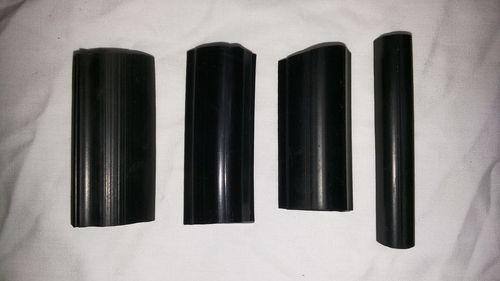
Tell us about your requirement

Price:
Quantity
Select Unit
- 50
- 100
- 200
- 250
- 500
- 1000+
Additional detail
Mobile number
Email

More Products in Rubber Seals Category
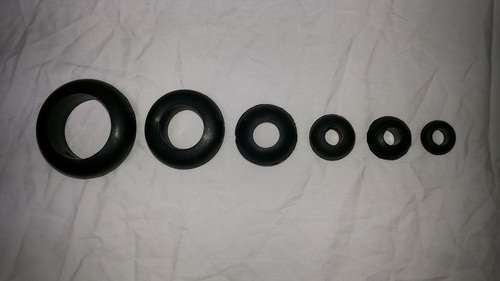
Industrial Rubber Washers
Minimum Order Quantity : 1000 Pieces
Product Type : Industrial Rubber Washer
Diameter : 5 mm to 200 mm
Style : Flat round washer
Hardness : 6080 Shore A
Weight : Depends on size and thickness
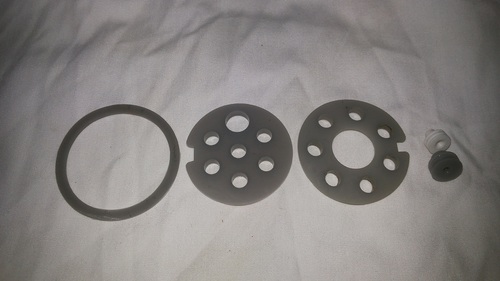
Wire Harness Silicon Seals
Minimum Order Quantity : 1000 Pieces
Product Type : Silicon Wire Harness Seal
Diameter : 1.5 mm to 6 mm (inner)
Style : Single and multihole variants
Hardness : 4570 Shore A
Weight : Negligible, varies with size
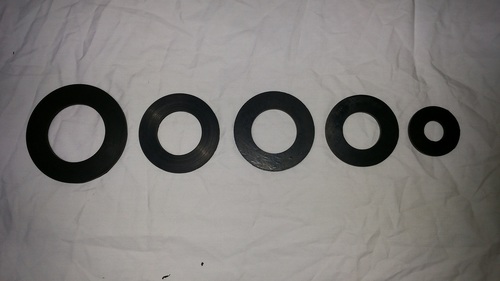
Durable Rubber Washers
Minimum Order Quantity : 1000 Pieces
Product Type : Washer
Diameter : 14 mm
Style : Flat Round
Hardness : 70 Shore A
Weight : 2.1 g
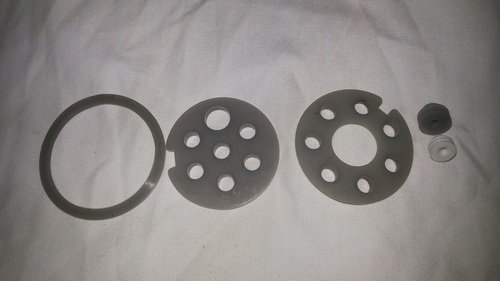
Wiring Harness Seals
Minimum Order Quantity : 1000 Pieces
Product Type : Wiring Harness Seal
Diameter : 5 mm 30 mm
Style : Grommet Type
Hardness : 4060 Shore A
Weight : Lightweight

 Send Inquiry
Our Products


Plot No.6-B, Sompura 1st Stage, IDA, Pemmanahalli(V), Sompura Hobli, Nelamangala (T),Bengaluru - 562111, Karnataka, India

Mr. Mangesh Dhavan
(Proprietor)
Mobile :08045815539
 Send Inquiry
 Send SMS
Developed and Managed by Infocom Network Private Limited.


