
Call us now :08045815539
 Send Inquiry
 Send Inquiry
Rubber Stoppers
MOQ : 1000 Pieces
Rubber Stoppers Specification
- Usage & Applications
- Laboratory sealing, chemical container closure, test tubes, flasks, and bottles sealing applications
- Product Type
- Rubber Stopper
- Material
- Rubber (Natural or Synthetic)
- Style
- Solid and one/two-hole types available
- Components
- Single piece molded
- Tolerance
- 0.3 mm
- Natural Rubber
- Available in Natural and Synthetic rubber options
- Size
- Standard laboratory sizes (#0 to #12+)
- Resistance level
- Resistant to acids, alkalis, solvents
- Temperature Resistance
- Up to 110C
- Volatile Matter (%)
- <2%
- Color
- Black or White
- Part Type
- Stopper/Plug
- Thermal Conductivity
- Low
- Density
- 1.20 Gram per cubic centimeter(g/cm3)
- Ash %
- <1%
- Water Absorption
- Low (<5%)
- Diameter
- Tapered; top diameter 20-48 mm, bottom diameter 15-40 mm
- Feature
- Non-reactive, leak-proof, reusable, odorless
- Compression Ratio
- Good, suited for tight sealing
- Weight
- 4-35 grams, size dependent
- Length
- 25 mm to 45 mm
- Tensile Strength
- 16-21 MPa
- Hardness
- 40-60 Shore A
- Nitrogen Content (%)
- Negligible
- Surface Finish
- Smooth or slightly textured
- Thickness
- Varies per size, typically 18 mm-38 mm
- Flame Resistance Level
- Limited flame resistance
- Width
- Varies as per stopper size (e.g., 20 mm to 48 mm)
- Rubber Type
- Natural Rubber / Synthetic Rubber
- Operating Pressure
- Suitable for atmospheric and low-pressure applications
- Reusability
- Can be reused multiple times
- Odor
- Odorless or very low odor
- Elongation at Break
- 350450%
- Aging Resistance
- Good ozone and aging resistance
- Chemical Compatibility
- Compatible with most laboratory chemicals
- Manufacturing Process
- Compression or injection molded
- Storage Recommendation
- Store in cool, dry place away from sunlight
- Sterilization Compatibility
- Autoclavable
- Regulatory Compliance
- Meets standard laboratory supply requirements
Rubber Stoppers Trade Information
- Minimum Order Quantity
- 1000 Pieces
- Main Domestic Market
- South India, Karnataka
About Rubber Stoppers
Rubber stoppers, also known as rubber plugs, are cylindrical or conical-shaped rubber pieces used to seal the openings of laboratory equipment, medical devices, and other containers. They are typically made of natural rubber, synthetic rubber, or silicone, which are flexible and resistant to temperature changes, chemicals, and abrasion.Rubber stoppers are commonly used in laboratories to seal test tubes, flasks, and other glassware to prevent spillage or contamination. They can also be used in medical devices, such as syringes, to seal the openings and maintain the sterility of the device. Rubber stoppers are also used in a variety of industries, such as pharmaceuticals, food and beverage, and chemical manufacturing, to seal containers and prevent the contents from leaking or spilling.Rubber stoppers come in a range of sizes and shapes to fit different types of openings. They can be tapered, straight-sided, or have a flange or lip that extends beyond the opening. Some rubber stoppers may also have a hole in the center to allow for the insertion of a pipette or other instrument.
Superior Chemical and Aging Resistance
These rubber stoppers demonstrate robust resistance to most laboratory chemicals, acids, alkalis, and solvents. Their composition ensures that they remain resilient when exposed to ozone and during long-term use, which is essential for maintaining integrity in laboratory environments. This makes them suitable for both short-term and extended applications, reducing the need for frequent replacements.
Precise Fit and Versatile Applications
Each stopper is engineered in standard laboratory sizes (#0 to #12+) and comes in solid, one-hole, or two-hole varieties to suit various sealing needs. The tapered design ensures compatibility with common laboratory glassware, including test tubes and flasks, while the non-reactive, leak-proof structure supports both atmospheric and low-pressure applications.
Autoclavable and Reusable for Enhanced Efficiency
Thanks to autoclavable properties, these stoppers can withstand sterilization cycles up to 110C without degrading. This attribute, coupled with odorless material and a low volatile matter percentage, ensures repeated safe use in sensitive lab operations. Their durable construction and low water absorption further contribute to their reusability.
FAQs of Rubber Stoppers:
Q: How do I properly sterilize rubber stoppers for laboratory use?
A: Rubber stoppers can be sterilized using an autoclave, as they withstand temperatures up to 110C. Ensure the stoppers are cleaned with appropriate detergent, rinsed thoroughly, and then autoclaved according to standard laboratory sterilization procedures. Allow them to cool before use to maintain their properties and sealing effectiveness.Q: What chemicals are rubber stoppers compatible with?
A: These rubber stoppers are compatible with most laboratory chemicals, including acids, alkalis, and common solvents. Their material formulation provides non-reactive and leak-proof performance, making them suitable for a wide range of both aqueous and organic reagents.Q: When should I replace a rubber stopper?
A: You should consider replacing a rubber stopper if it shows visible signs of wear, deformation, cracking, or compromised sealing. Due to their excellent aging resistance and reusability, stoppers can be used multiple times, but regular inspections are recommended to ensure safe and effective operation.Q: Where can these rubber stoppers be used in the laboratory?
A: These stoppers are utilized for sealing laboratory equipment such as test tubes, flasks, reagent bottles, and chemical containers. They are suitable for both storage and experimentation tasks where atmospheric or low-pressure sealing is required.Q: What is the manufacturing process of these rubber stoppers?
A: Rubber stoppers are produced through either compression or injection molding processes. Both techniques yield single-piece, molded stoppers that ensure uniform density, tight tolerances, and a smooth or gently textured finish.Q: How does the design benefit laboratory applications?
A: The tapered, leak-proof design ensures a secure seal for varying glassware openings, preventing contamination and spillage. The use of non-reactive, odorless material with high tensile strength and low volatile matter suits sensitive chemical environments and elevates laboratory safety and efficiency.Q: What are the recommended storage conditions for rubber stoppers?
A: Rubber stoppers should be stored in a cool, dry place away from direct sunlight to preserve their chemical and physical properties. Proper storage reduces premature aging, maintains elasticity, and ensures optimal performance when needed.
Tell us about your requirement

Price:
Quantity
Select Unit
- 50
- 100
- 200
- 250
- 500
- 1000+
Additional detail
Mobile number
Email

More Products in Rubber Legs Category
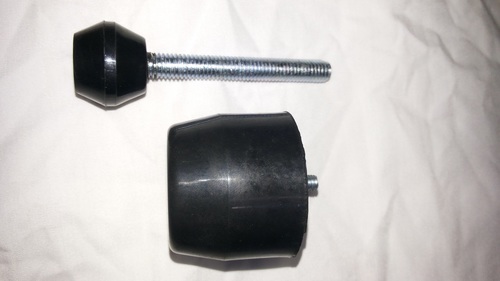
Machine Rubber Foot
Minimum Order Quantity : 1000 Pairs
Hardness : 655 Shore A
Tensile Strength : Above 12 MPa
Thickness : 10 mm
Flame Resistance Level : Meets UL94 HB
Width : 35 mm
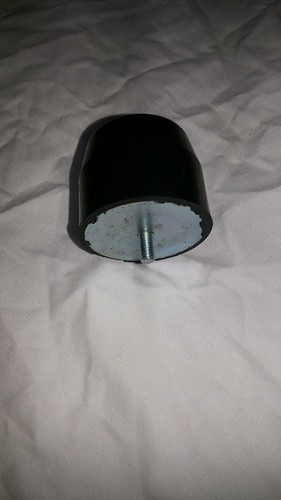
Weighing scale Foot
Minimum Order Quantity : 1000 Packs
Hardness : Shore A 605
Tensile Strength : High; designed to withstand heavy machine weight
Thickness : 12 mm (approx)
Flame Resistance Level : Basic; not suitable for direct flame exposure
Width : 4 cm (approx)

 Send Inquiry
Our Products


Plot No.6-B, Sompura 1st Stage, IDA, Pemmanahalli(V), Sompura Hobli, Nelamangala (T),Bengaluru - 562111, Karnataka, India

Mr. Mangesh Dhavan
(Proprietor)
Mobile :08045815539
 Send Inquiry
 Send SMS
Developed and Managed by Infocom Network Private Limited.


