
Call us now :08045815539
 Send Inquiry
 Send Inquiry
Industrial Gaskets
MOQ : 1000 Pieces
Industrial Gaskets Specification
- Hardness
- 40-60 Shore A
- Temperature Resistance
- Up to 550C
- Standard
- ASME, DIN, BS
- Vaccum Range
- Full Vacuum
- Type
- Spiral Wound Gasket
- Working Temperature
- -200C to 550C
- Medium
- Oils, Gases, Steam, Chemicals
- Gasket Coefficient
- 0.35
- Pressure Resistance
- Up to 250 bar
- Thickness
- 1.5 mm to 5 mm
- Material
- Graphite with Stainless Steel
- Shape
- Round
- Outer Ring
- Available
- Inner Ring
- Available
- Application
- Industrial Sealing
- Technology
- High Precision Cutting
- Elongation at Break
- Up to 20% (Rubber-Based)
- Density
- 1.7 - 2.2 g/cm³ (Typical for CNAF)
- Surface Treatment
- Graphite Facing, PTFE Layer, Anti-Corrosive Plating
- Lifespan
- 2-10 years (Application Dependent)
- Installation
- Manual, Automatic, Custom Fit
- Color
- Green, Blue, Black, Red, Grey, Metallic Silver
- Tensile Strength
- Up to 18 MPa
- Compression Recovery
- 15-22% (Depending On Material)
- Operating pH Range
- 0 to 14 (Material dependent)
- Finishing
- Smooth, Anti-Stick, Graphite Coated, PTFE Coated
- Size Range
- ID 10 mm to 1500 mm or as per specification
Industrial Gaskets Trade Information
- Minimum Order Quantity
- 1000 Pieces
- Main Domestic Market
- South India, Karnataka
About Industrial Gaskets
Industrial gaskets are specialized mechanical seals used in heavy-duty industrial applications to prevent leaks between two surfaces. They are typically made of high-quality rubber materials, such as silicone, EPDM, neoprene, or nitrile rubber, that are resistant to chemicals, oils, and high temperatures.Industrial gaskets are commonly used in a variety of industries, including oil and gas, chemical processing, power generation, and food and beverage. They are used in applications where a high level of sealing performance is required, such as in pipelines, tanks, and machinery.Versatile Materials and Surface Treatments
Our gaskets come in a range of robust materials, including graphite with stainless steel and rubber-based composites. Each option is engineered for outstanding chemical and thermal stability, with available finishes such as anti-stick, graphite-coated, PTFE-coated, and anti-corrosive plating. Surface treatments like graphite facing and PTFE layering enhance the performance, ensuring compatibility with aggressive media and extreme working environments.
Flexible Sizing and Application Range
Catering to a wide array of industrial requirements, our gaskets are available in standard ID sizes from 10 mm to 1500 mm, or tailored to your specifications. Precision cutting technology guarantees a perfect fit for custom projects. Designed for industrial sealing, these gaskets are suitable for round shapes and can be used with a variety of media, such as oils, gases, steam, and chemicals.
Built for Durability and Performance
Engineered for reliability, our gaskets provide a lifespan of 210 years, depending on application. Withstanding temperatures from -200C to 550C, pressures up to 250 bar, and a gasket coefficient of 0.35, these products deliver resilience in demanding settings. Industry standards such as ASME, DIN, and BS are followed, assuring you of trusted quality and consistency.
FAQs of Industrial Gaskets:
Q: How are these industrial gaskets installed, and what installation methods are supported?
A: Our industrial gaskets can be installed manually, automatically, or custom-fitted to suit your equipment. Precise design and flexible sizing make installation straightforward, ensuring a secure and reliable seal in various industrial setups.Q: What benefits do the different surface treatments and coatings provide?
A: Graphite and PTFE coatings, as well as anti-stick and anti-corrosive plating, enhance chemical resistance, facilitate easy removal, and extend gasket life. These treatments also improve sealing performance, especially in aggressive or high-temperature environments.Q: When should I choose a particular gasket material or surface finish?
A: The choice depends on your applications specific temperature, pressure, and chemical exposure. For high chemical resistance, PTFE coatings are recommended. For extreme heat, opt for graphite coatings or metallic constructions. Were happy to advise on the best option for your needs.Q: Where can these gaskets be used across industries?
A: These gaskets are suitable for a broad range of industrial sealing tasks, including oil and gas, petrochemicals, steam systems, chemical processing, and general manufacturing where secure, high-performance seals are essential.Q: What is the typical process for ordering and customizing gasket sizes?
A: Clients can specify required inner diameter (ID) and outer diameter, thickness, and material preferences. With advanced high-precision cutting technology, we ensure your order matches exact requirements, offering ID sizes from 10 mm to 1500 mm or as per your specifications.Q: How long can I expect the gaskets to last under normal industrial conditions?
A: The expected lifespan varies from 2 to 10 years, influenced by application type, exposure, and maintenance. Proper installation and suitable material selection prolong service life, even under challenging operational environments.Q: What are the advantages of spiral wound gaskets with inner and outer rings?
A: Spiral wound gaskets with inner and outer rings offer enhanced stability, better pressure distribution, and greater resistance to blowout. They ensure a reliable seal even during temperature and pressure fluctuations, making them ideal for critical applications.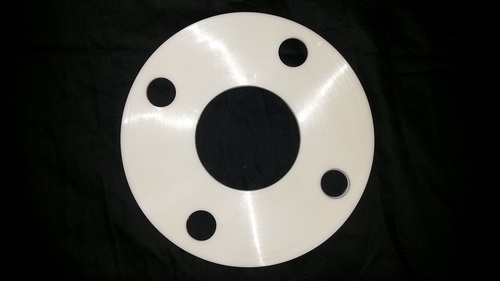
Tell us about your requirement

Price:
Quantity
Select Unit
- 50
- 100
- 200
- 250
- 500
- 1000+
Additional detail
Mobile number
Email

More Products in Rubber Gaskets Category
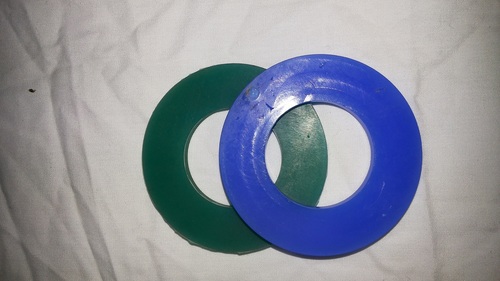
Fine Rubber washers
Minimum Order Quantity : 1000 Pieces
Temperature Resistance : Up to 120C
Application : Sealing, Plumbing, Mechanical Assembly, Automotive, Electronics
Hardness : Medium
Type : Flat Washer
Working Temperature : 25C to 120C
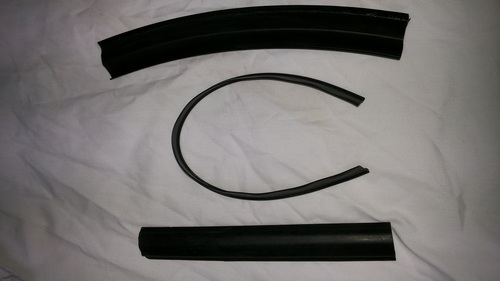
Black Rubber Gaskets
Minimum Order Quantity : 1000 Pieces
Temperature Resistance : Up to 120C
Application : Sealing, plumbing, automotive, industrial
Hardness : 70 Shore A
Type : Flat Gasket
Working Temperature : 30C to 120C
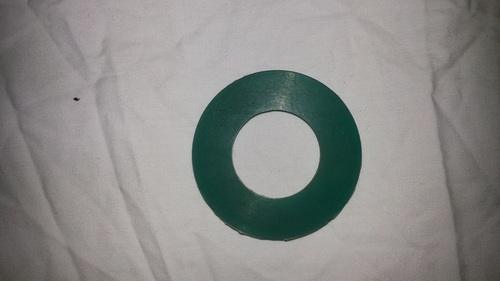
Silicon Washer
Minimum Order Quantity : 1000 Pieces
Temperature Resistance : Up to 250C
Application : Sealing, Insulation, Spacing in electrical and industrial assemblies
Hardness : 6070 Shore A
Type : Flat Washer
Working Temperature : 60C to +200C
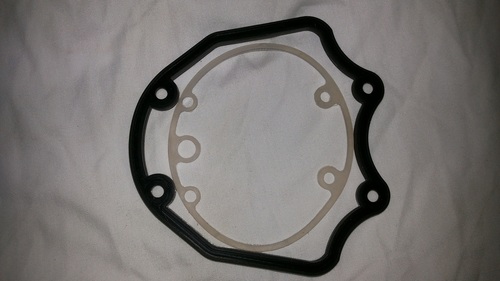
Speedometer Gaskets
Minimum Order Quantity : 1000 Pairs
Temperature Resistance : Up to 120C
Application : Speedometer Housing Seal
Hardness : 70 Shore A
Type : Mechanical Gasket
Working Temperature : 30C to +120C

 Send Inquiry
Our Products


Plot No.6-B, Sompura 1st Stage, IDA, Pemmanahalli(V), Sompura Hobli, Nelamangala (T),Bengaluru - 562111, Karnataka, India

Mr. Mangesh Dhavan
(Proprietor)
Mobile :08045815539
 Send Inquiry
 Send SMS
Developed and Managed by Infocom Network Private Limited.


