
Call us now :08045815539
 Send Inquiry
 Send Inquiry
Industrial Rubber Moulded Components
MOQ : 1000 Pieces
Industrial Rubber Moulded Components Specification
- Surface Finish
- Smooth, textured, or as specified
- Thickness
- 1 mm to 50 mm (customized as needed)
- Color
- Black or as per requirement
- Size
- Available in various sizes as per customer specifications
- Density
- 1.6 Gram per cubic centimeter(g/cm3)
- Product Type
- Rubber Moulded Component
- Thermal Conductivity
- 0.16 - 0.35 W/mK (material dependent)
- Resistance level
- Oil, water, heat, and chemical resistant (based on compound selection)
- Usage & Applications
- Industrial sealing, vibration absorption, insulation, gaskets, washers, machine parts, automotive, electrical, and general engineering industries
- Length
- Custom length as per customer demand
- Feature
- High durability, tear and abrasion resistance, flexibility, and weather resistance
- Rubber Type
- Natural Rubber, Nitrile, Silicone, EPDM, Neoprene, SBR, FKM
- Volatile Matter (%)
- Less than 2%
- Material
- Natural rubber, Nitrile (NBR), EPDM, Silicone, SBR, Neoprene, and other polymers
- Compression Ratio
- Typically 10-30% (application dependent)
- Style
- Moulded
- Flame Resistance Level
- Optional, available with flame retardant grade rubber
- Width
- Customizable as per requirement
- Ash %
- Less than 5%
- Temperature Resistance
- -40C to +200C (depending on material selected)
- Tolerance
- 0.05 mm to 0.5 mm (based on design)
- Water Absorption
- Low, less than 1%
- Weight
- Varies as per component design
- Diameter
- Up to 500 mm (customizable)
- Natural Rubber
- Available upon request
- Components
- Gaskets, bushes, bumpers, washers, bellows, mounts, diaphragms, seals, and more
- Tensile Strength
- 8-12 MPa (may vary based on compound)
- Part Type
- Custom-engineered rubber parts
- Hardness
- 30 - 90 Shore A
- Nitrogen Content (%)
- Less than 1%
- Finish Quality
- High precision moulded finish
- ISO Certification
- Manufactured as per ISO 9001 standards
- Packaging Type
- Export quality cartons, wooden boxes, or as specified
- Electrical Insulation
- Good (suitable for electrical applications)
- Compression Set
- Low, 10% - 25% (based on material)
- Ozone Resistance
- Excellent (EPDM, Silicone, Neoprene grades available)
- Custom Design Capability
- Yes, as per drawings or samples
- Manufacturing Technique
- Compression, injection, and transfer moulding methods
- Lead Time
- 2-4 weeks from order confirmation
- Elongation at Break
- 250% - 500% (depending on material used)
Industrial Rubber Moulded Components Trade Information
- Minimum Order Quantity
- 1000 Pieces
- Main Domestic Market
- South India, Karnataka
About Industrial Rubber Moulded Components
Rubber moulded components are objects made from rubber that are shaped using a moulding process. The process involves pouring liquid or semi-liquid rubber into a mould and then allowing it to solidify into the desired shape.Rubber moulded components can be used in a wide range of applications, from industrial and automotive to medical and consumer products. They are often chosen for their flexibility, durability, and ability to provide a reliable seal.
Rubber moulded components are parts made from rubber employing a moulding technique. This process involves heating rubber material to soften it, then using a mould to form it into the required shape. The rubber material used in the moulding process may have a range of hardness, elasticity, and durability depending on how the component will be used. Such rubber moulded components are used extensively in a variety of sectors, including the manufacture of healthcare devices, automobiles, and aviation products.
Precision Engineering for Superior Performance
Our industrial rubber moulded components maintain outstanding consistency in quality and finish, owing to technologically advanced manufacturing processes such as compression, injection, and transfer moulding. Precise tolerances (0.05 mm to 0.5 mm), high tensile strength, and carefully selected materials ensure these components deliver lasting reliability for demanding industrial and general engineering applications.
Tailored for Industry-Specific Needs
We offer complete customizationregarding size, length, diameter, material, and finishaccording to technical drawings or samples, supporting a broad spectrum of industries including automotive, electrical, machinery, and general engineering. Each product is thoroughly tested for properties like flame resistance, ozone resistance, and insulation, making them suitable for specialized applications.
Certified Quality and Dependable Supply
All components are produced in compliance with ISO 9001:2015, ensuring rigorous quality control and high-performance standards. With lead times of just 24 weeks and secure, export-grade packaging, our process ensures timely, safe delivery to clients in India and globally.
FAQs of Industrial Rubber Moulded Components:
Q: How are your industrial rubber moulded components manufactured?
A: Our components are produced using advanced compression, injection, and transfer moulding techniques, allowing us to achieve precise dimensions, high finish quality, and consistent results across various shapes and sizes. Each process is selected based on the application and complexity of the part.Q: What customization options are available for these rubber moulded components?
A: We offer complete customization based on client drawings or samples, including options for material type, hardness, dimensions (width, thickness, diameter, length), surface finish, color, and specific performance requirements like flame or ozone resistance.Q: What types of environments and applications are these components suitable for?
A: These components are engineered for use in harsh industrial settings, providing excellent resistance to ozone, oil, water, chemicals, heat, and weathering. They are widely used for sealing, vibration absorption, gaskets, washers, bushings, machine parts, automotive uses, and electrical insulation.Q: What benefits do your rubber moulded components offer for electrical applications?
A: Our products deliver strong electrical insulation properties, making them ideal for applications requiring isolation and safety. Specific rubber grades, such as Silicone and EPDM, are selected to enhance electrical performance and reliability.Q: How quickly can custom rubber components be delivered?
A: Standard lead times are 2 to 4 weeks from order confirmation, depending on design complexity and order volume. All orders are packaged securely in export-quality cartons or wooden boxes for safe transportation.Q: What are the main advantages of using these components in industrial equipment?
A: Key benefits include high durability, superior tear and abrasion resistance, flexibility across varying temperatures, low compression set, and precise dimensional tolerances. These features support extended service life and reduced maintenance.Q: Are ISO certifications and quality standards maintained in manufacturing?
A: Yes, all products are manufactured under ISO 9001:2015 certification, ensuring stringent quality controls, traceability, and consistently high standards for performance and safety.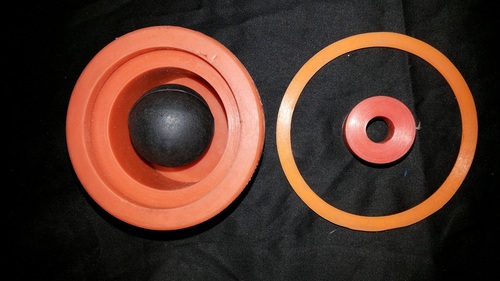
Tell us about your requirement

Price:
Quantity
Select Unit
- 50
- 100
- 200
- 250
- 500
- 1000+
Additional detail
Mobile number
Email

More Products in Rubber Components Category
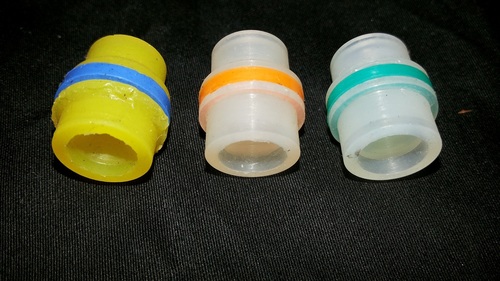
Medical Rubber Components
Minimum Order Quantity : 1000 Pieces
Hardness : 30 to 90 Shore A
Product Type : Medical Rubber Components
Length : Custom length options
Tensile Strength : >= 8 MPa
Components : Rubber stoppers, plungers, Orings, seals, diaphragms, washers
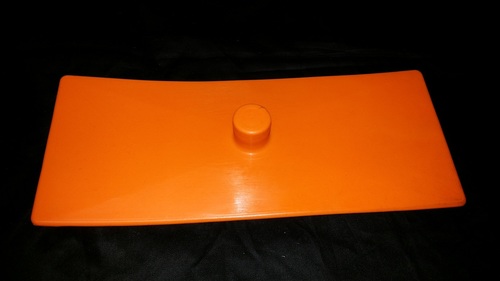
Silicon Rectangular Lid
Minimum Order Quantity : 500 Pieces
Hardness : 4060 Shore A
Product Type : Rectangular Lid
Length : Varies by model (commonly 1525 cm)
Tensile Strength : 6 to 12 MPa (typical for silicone rubber)
Components : Single piece
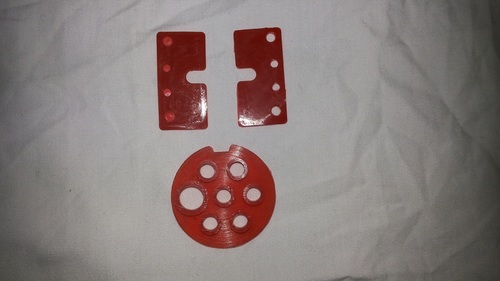
Rubber components98766
Hardness : 60 5 Shore A
Product Type : Rubber Components
Length : As per specification
Tensile Strength : 15 20 MPa
Components : Gaskets, seals, bushings, mounts, washers
Rubber sealers01
Hardness : 70 5 Shore A
Product Type : Rubber Sealer
Length : 1 m (standard), Custom lengths possible
Tensile Strength : 12 MPa (minimum)
Components : Continuous extruded rubber

 Send Inquiry
Our Products


Plot No.6-B, Sompura 1st Stage, IDA, Pemmanahalli(V), Sompura Hobli, Nelamangala (T),Bengaluru - 562111, Karnataka, India

Mr. Mangesh Dhavan
(Proprietor)
Mobile :08045815539
 Send Inquiry
 Send SMS
Developed and Managed by Infocom Network Private Limited.


