
Call us now :08045815539
 Send Inquiry
 Send Inquiry
Oil Seals
MOQ : 1000 Pieces
Oil Seals Specification
- Components
- Rubber body, metal skeleton
- Surface Finish
- Smooth, finely finished
- Water Absorption
- Low
- Tolerance
- 0.1mm
- Color
- Black or Brown
- Style
- Single lip, double lip or custom
- Size
- Custom and standard sizes available (e.g., 25mm x 45mm x 10mm)
- Feature
- Excellent oil resistance, dust proof, high durability
- Diameter
- Inner: 10mm 150mm (varies)
- Thermal Conductivity
- Low
- Hardness
- 60 75 Shore A
- Resistance level
- High oil, water and chemical resistance
- Usage & Applications
- Sealing rotating shafts to prevent oil leakage and contamination
- Weight
- Depends on size; approx. 10 120g
- Density
- 1.2 Gram per cubic centimeter(g/cm3)
- Flame Resistance Level
- Limited (material dependent)
- Product Type
- Rotary shaft oil seal
- Temperature Resistance
- -40C to +180C (Viton), -20C to +100C (NBR)
- Natural Rubber
- Optional, based on requirement
- Part Type
- Shaft Seal
- Tensile Strength
- 8 MPa
- Width
- Varies by size; commonly 6mm 14mm
- Ash %
- <1%
- Material
- Nitrile Rubber (NBR), Viton, Silicone, Polyacrylate, EPDM
- Rubber Type
- NBR, Viton, Silicone, EPDM
- Thickness
- 2mm 15mm
- Installation Method
- Press-fit in housing bore
- Lip Material
- Synthetic rubber
- Pressure Limit
- Up to 0.5 bar (higher with custom design)
- Working Environment
- Automotive, industrial machinery, pumps
- Chemical Compatibility
- Compatible with oils, fuels, hydraulic fluids
- Shelf Life
- Up to 5 years in original packing
- Spring Type
- Garter spring (if equipped)
- Axial Load Capacity
- Not designed for axial loads
- Radial Load Capacity
- Standard for rotary shafts
Oil Seals Trade Information
- Minimum Order Quantity
- 1000 Pieces
- Main Domestic Market
- South India, Karnataka
About Oil Seals
Oil seals, also known as shaft seals, are mechanical components used to prevent fluid leakage from machinery or equipment. They are typically made of elastomeric materials, such as nitrile rubber, silicone, or fluoroelastomers, which are able to withstand high temperatures, pressure, and exposure to various types of fluids.
Oil seals we deal in are the rotary shaft seals, which are used to prevent the oil leakage. These can be used for automotive engines, compressors, pumps and gearboxes. The main function of the seals is to retain the lubricant found inside a system so that all contaminants such as dust, water, dirt, and other harmful substances remain out. These best quality seals are needed to maintain proper lubrication by making reduction in the friction and wear. Overall, oil seals play a central role in maintaining the efficiency, performance, and longevity of various mechanical systems. It ensures proper lubrication and assists in protecting sensitive components from damage grounded by oil leakage or contamination.
Premium Oil Resistance
These oil seals are constructed from advanced materials such as Nitrile Rubber (NBR), Viton, or Silicone, ensuring outstanding resistance to oil, fuel, water, and a range of chemicals. Their robust design also guarantees durability under thermal stress, making them ideal for both low- and high-temperature applications in critical machinery and vehicles.
Flexible Sizing & Versatile Applications
Available in both custom and standard dimensions, oil seals suit a wide range of shaft sizes, with inner diameters from 10mm to 150mm and widths commonly between 6mm and 14mm. They serve applications in the automotive industry, pumps, and industrial equipment, keeping contaminants out and lubricants in to ensure machinery longevity and reliability.
Easy Installation & Reliable Performance
Oil seals offer a user-friendly press-fit installation method into housing bores. Suitable for up to 0.5 bar pressure (and higher with bespoke options), they employ a garter spring design (if equipped) and precisely finished surfaces for reliable, airtight sealing even in tough operating environments. Their construction includes a robust metal skeleton for additional strength.
FAQs of Oil Seals:
Q: How do I install an oil seal for rotary shaft applications?
A: Oil seals should be press-fitted into the housing bore, ensuring even pressure and correct alignment to avert leaks or premature wear. Lubricating the sealing lip and shaft lightly during installation will help minimize friction and avoid damage.Q: What benefits do oil seals offer in automotive and industrial environments?
A: Oil seals prevent oil leakage and block contaminants from entering the system, enhancing equipment reliability, reducing maintenance frequency, and extending service life for automotive engines, pumps, and industrial machinery.Q: When should I consider using a custom-designed oil seal?
A: Custom-designed oil seals are ideal when your application requires higher pressure resistance (above 0.5 bar), unique sizes, or specific chemical and temperature tolerances that standard seals may not accommodate.Q: Where are these oil seals commonly used?
A: These seals are extensively used in automotive engines, gearboxes, pumps, and various industrial machines where rotating shafts require effective sealing against oil and external contaminants.Q: What materials are available for oil seal manufacturing and how do they affect performance?
A: Oil seals can be made from Nitrile Rubber (NBR), Viton, Silicone, or EPDM. The choice of material influences oil, chemical, and temperature resistance, with Viton offering the highest temperature tolerance up to 180C, and NBR suitable for applications up to 100C.Q: How long is the shelf life of these oil seals and what is the recommended storage condition?
A: When kept in their original packaging, oil seals have a shelf life of up to 5 years. Store them in a cool, dry environment away from direct sunlight and chemicals to maintain their integrity.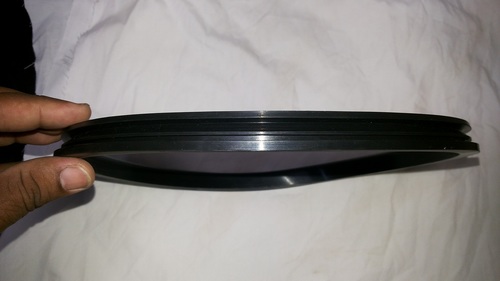
Tell us about your requirement

Price:
Quantity
Select Unit
- 50
- 100
- 200
- 250
- 500
- 1000+
Additional detail
Mobile number
Email

More Products in Rubber Seals Category
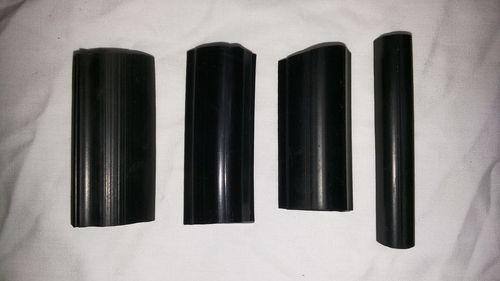
Rubber seals
Minimum Order Quantity : 500 Meters
Style : Extruded or molded
Diameter : Up to 75 mm
Hardness : 655 Shore A
Product Type : Rubber Seal
Components : Single piece or composite
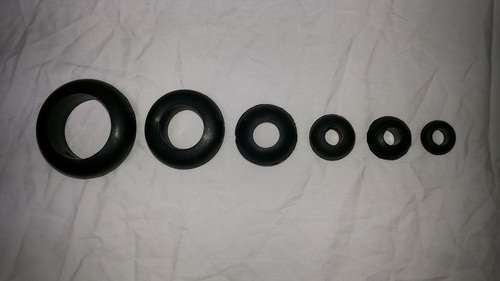
Industrial Rubber Washers
Minimum Order Quantity : 1000 Pieces
Style : Flat round washer
Diameter : 5 mm to 200 mm
Hardness : 6080 Shore A
Product Type : Industrial Rubber Washer
Components : Single piece rubber washer
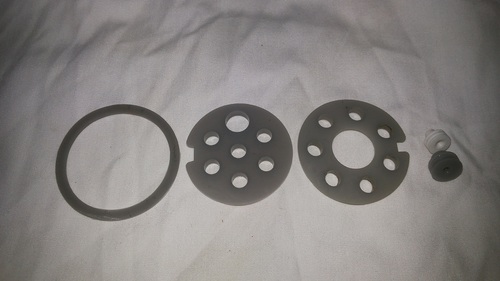
Wire Harness Silicon Seals
Minimum Order Quantity : 1000 Pieces
Style : Single and multihole variants
Diameter : 1.5 mm to 6 mm (inner)
Hardness : 4570 Shore A
Product Type : Silicon Wire Harness Seal
Components : Silicone gasket seal, insertion pin hole
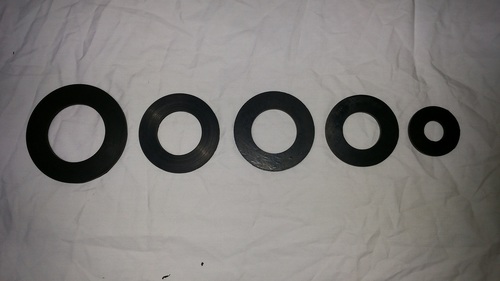
Durable Rubber Washers
Minimum Order Quantity : 1000 Pieces
Style : Flat Round
Diameter : 14 mm
Hardness : 70 Shore A
Product Type : Washer
Components : Single Rubber Washer

 Send Inquiry
Our Products


Plot No.6-B, Sompura 1st Stage, IDA, Pemmanahalli(V), Sompura Hobli, Nelamangala (T),Bengaluru - 562111, Karnataka, India

Mr. Mangesh Dhavan
(Proprietor)
Mobile :08045815539
 Send Inquiry
 Send SMS
Developed and Managed by Infocom Network Private Limited.


