
Call us now :08045815539
 Send Inquiry
 Send Inquiry
Rubber Extrusions
MOQ : 500 Meters
Rubber Extrusions Specification
- Volatile Matter (%)
- <1%
- Components
- Extruded rubber profiles
- Diameter
- Up to 50 mm
- Thickness
- 2 mm to 20 mm
- Tensile Strength
- 12 to 18 MPa
- Rubber Type
- EPDM, Silicone, Neoprene, Natural Rubber
- Product Type
- Rubber Extrusions
- Thermal Conductivity
- Very low (non-conductive)
- Temperature Resistance
- -40C to +120C
- Usage & Applications
- Automotive, Construction, Electrical Installation, Sealing, Insulation, Gasketing, Door and Window Seals
- Compression Ratio
- 20% to 30%
- Natural Rubber
- Available (custom formulation)
- Hardness
- 40 to 80 Shore A
- Size
- Custom sizes available
- Surface Finish
- Smooth, Textured
- Style
- Solid & Sponge Profiles
- Part Type
- Profile/Strip/Seal
- Density
- 1.2 Gram per cubic centimeter(g/cm3)
- Color
- Black, White, Custom Colors
- Tolerance
- 0.5 mm
- Nitrogen Content (%)
- <0.5%
- Material
- EPDM, Silicone, Neoprene, Natural Rubber, NR/SBR, Nitrile
- Width
- Customizable 5 mm to 100 mm
- Ash %
- <1%
- Flame Resistance Level
- Available upon request
- Length
- Up to 25 meters
- Resistance level
- High resistance to ozone, UV, and chemicals
- Feature
- Flexible, Weatherproof, Anti-aging
- Weight
- Depends on profile & material
- Water Absorption
- Low (<2%)
- Electrical Insulation Property
- Good (suitable for electrical applications)
- Ozone Resistance
- Excellent
- Aging Resistance
- High
- Pressure Resistance
- Suitable for moderate pressures
- Shrinkage Rate
- <2%
- Packaging
- Coils, Rolls, or Custom lengths
- Installation Method
- Push-fit or adhesive bond
- Elongation at Break
- 250% to 400%
- Manufacturing Process
- Continuous extrusion
- UV Resistance
- Excellent
- Customization
- Shape, size, and compound tailored as per requirement
Rubber Extrusions Trade Information
- Minimum Order Quantity
- 500 Meters
- Main Domestic Market
- South India, Karnataka
About Rubber Extrusions
Rubber extrusions are objects made from rubber that are created by forcing rubber material through a die or extrusion machine to create a continuous profile or shape. The process involves melting and shaping rubber material into a specific cross-sectional shape or profile that can be used for various applications.Rubber extrusions are commonly used in a variety of industries including automotive, construction, aerospace, and industrial manufacturing. They are often chosen for their flexibility, durability, and ability to provide a reliable seal or buffer.
Some common examples of rubber extrusions include:
- Weatherstripping and seals for doors and windows to prevent drafts and leaks.
- Edge trim and bumpers for vehicles and machinery to protect against impact damage.
- Tubing and hoses for transporting fluids in various applications.
Rubber extrusions are products made from rubber that are manufactured using an extrusion process. Depending on how the component will be utilised, the rubber material used in the extrusion process might have a range of hardness, flexibility, and durability. Rubber extrusions are frequently utilised in various industrial sectors such as automotive, building, and consumer goods industries. They tremendously offer excellent insulation against environmental elements such as heat, cold, and harsh chemicals.
Customizable Solutions for Diverse Needs
Choose from a wide variety of rubber types, including EPDM, silicone, neoprene, and natural rubber, all tailored to meet specific requirements for size, shape, color, and compound. With solid and sponge profile styles, these extrusions range from 5 mm to 100 mm in width, thickness from 2 mm to 20 mm, and lengths up to 25 meters, ensuring a precise fit for any application.
Engineered for Durability and Performance
Experience high resistance to UV, ozone, aging, and chemicals, with tensile strengths between 12 to 18 MPa and low water absorption. These profiles are ideal for use in environments where longevity, flexibility, and weatherproof properties matter most. Options for flame resistance and electrical insulation enable safe application across a spectrum of tasks.
Versatile Installation and Packaging Options
Our rubber extrusions are available in coils, rolls, or custom-cut lengths, supporting straightforward installation by push-fit or adhesive bonding. Designed for convenient onsite handling and time-saving assembly, they support a broad range of industry uses from automotive sealing to electrical insulation.
FAQs of Rubber Extrusions:
Q: How are your rubber extrusions installed for maximum effectiveness?
A: Installation can be achieved through a push-fit method for quick assembly or with adhesive bonding for a more permanent fix. This versatility ensures effective sealing, gasketing, or insulation across automotive and industrial settings.Q: What customization options do you offer for rubber extrusions?
A: We tailor profiles based on your needs in terms of shape, size, thickness (2 mm to 20 mm), width (5 mm to 100 mm), color, hardness (4080 Shore A), and compound formulation. Manufacturing is flexible to specific applications, ensuring optimal performance and integration.Q: When should UV and ozone-resistant rubber extrusions be used?
A: These extrusions are best employed in outdoor or harsh environments where exposure to sunlight, ozone, weather, and aging can compromise regular seals. Typical uses include automotive door and window seals, construction joints, electrical insulation, and general gasketing.Q: Where are your rubber extrusions suitable for application?
A: Our products are suitable for automotive, construction, electrical installations, sealing, gasketing, insulation, and doors and windows. Their excellent physical and chemical resistance makes them ideal for environments demanding durability and long-term performance.Q: What is the manufacturing process for your rubber extrusions?
A: We use a continuous extrusion process, ensuring consistent quality and precision across long lengths. This allows profiles to be delivered in coils, rolls, or custom lengths with smooth or textured finishes as specified.Q: How do rubber extrusions benefit electrical installations?
A: Thanks to their good electrical insulation properties, low water absorption, and non-conductive nature, these profiles provide safe, reliable solutions for insulating cables and electrical enclosures, helping prevent short circuits and electrical hazards.Q: What are the advantages of your rubber extrusions over standard profiles?
A: Our extrusions offer superior UV, ozone, and chemical resistance, high elongation and tensile strength, flexible installation, customizable dimensions, and reliable performance across varied temperatures (-40C to +120C), making them suitable for challenging applications and environments.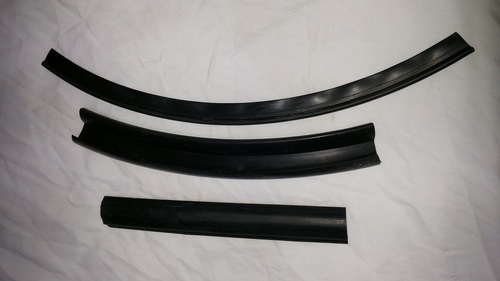
Tell us about your requirement

Price:
Quantity
Select Unit
- 50
- 100
- 200
- 250
- 500
- 1000+
Additional detail
Mobile number
Email

More Products in Rubber Extrusions Category
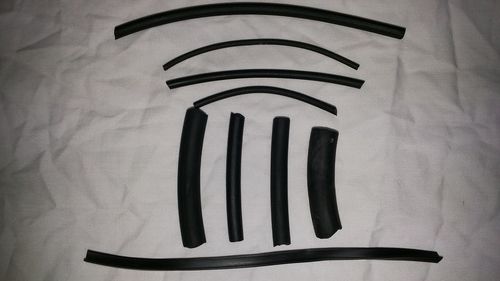
Silicon Rubber Extrusions
Minimum Order Quantity : 500 Pieces
Style : Solid, sponge, and hollow profiles
Hardness : 30 to 80 Shore A
Feature : Flexible, high temperature resistant, durable
Product Type : Silicon Rubber Extrusions
Thickness : 1 mm to 15 mm
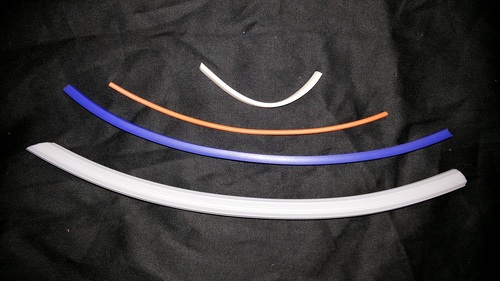
Silicon Rubber Extrusions
Minimum Order Quantity : 500 Pieces
Style : Solid and sponge profiles, as well as tubing
Hardness : 35 to 85 Shore A
Feature : Flexible, weather resistant, UV resistant, nontoxic, odourless
Product Type : Silicon Rubber Extrusions
Thickness : 0.5 mm to 25 mm
Viton Rubber Cords
Minimum Order Quantity : 500 Pieces
Style : Solid Round / Square / Custom Profile
Hardness : 6080 Shore A
Feature : Excellent chemical and high temperature resistance
Product Type : Rubber Cord
Thickness : Varies as per cord diameter
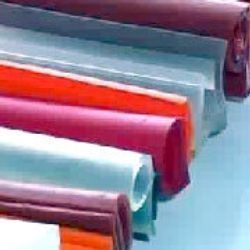
Industrial Rubber Extrusions
Minimum Order Quantity : 500 Meters
Hardness : As per Requirement
Product Type : As per Requirement
Thickness : 2 Millimeter (mm)

 Send Inquiry
Our Products


Plot No.6-B, Sompura 1st Stage, IDA, Pemmanahalli(V), Sompura Hobli, Nelamangala (T),Bengaluru - 562111, Karnataka, India

Mr. Mangesh Dhavan
(Proprietor)
Mobile :08045815539
 Send Inquiry
 Send SMS
 Call Me Free
Developed and Managed by Infocom Network Private Limited.


